Efficient Solutions for Managing Bulky Waste on a Budget
Managing bulky waste--such as old furniture, appliances, mattresses, and large household items--can be a daunting and expensive task for homeowners, businesses, and communities. Whether you're dealing with a one-time cleanout or ongoing large-item disposal, you don't have to break the bank to dispose of these oversized items responsibly. In this comprehensive guide, we'll explore efficient solutions for managing bulky waste on a budget, providing practical, environmentally friendly, and cost-effective strategies to keep your spaces clean while minimizing your impact on the planet.

Understanding Bulky Waste: What Is It?
Bulky waste refers to materials and objects that are too large to be collected by regular municipal waste collection services. Typical examples include:
- Furniture (sofas, beds, chairs, tables)
- White goods (refrigerators, stoves, washing machines)
- Mattresses and box springs
- Carpets and rugs
- Large electronics (TVs, computers, printers)
- Yard debris (branches, stumps)
These items are often challenging to dispose of due to their size, weight, and, in some cases, restricted landfill acceptance. That's why seeking budget-friendly bulky waste management solutions is crucial for efficient, responsible, and affordable disposal.
Why Proper Bulky Waste Management Matters
Effective management of bulky waste is essential for several reasons:
- Environmental protection: Improper disposal of large items can lead to pollution, resource wastage, and harm to wildlife.
- Community health: Bulky items left out can attract pests, create hazards, and detract from neighborhood aesthetics.
- Legal compliance: Many municipalities have regulations governing the disposal of bulky waste, with fines for non-compliance.
- Resource conservation: Recycling or reusing large items reduces waste and conserves raw materials.
Fortunately, you can manage bulky waste efficiently and affordably by using the right strategies. Let's explore the best cost-effective ways to dispose of bulky waste.
Budget-Friendly Bulky Waste Management Solutions
1. Reuse and Repurpose Whenever Possible
Before you consider disposal, ask yourself if the item can be reused, repurposed, or upcycled. Old furniture can often be refreshed with a new coat of paint or upholstery. Appliances and electronics may have parts that can be salvaged or sold. Reusing or repurposing is the most eco-friendly and budget-conscious approach as it eliminates disposal costs and reduces landfill waste.
- DIY Upcycling Projects: Turn wooden pallets into garden planters, or convert an old ladder into a bookshelf.
- Community Groups: Offer reusable items for free or trade on local social media platforms or neighborhood groups.
2. Sell or Donate Bulky Items
If your items are in good condition, consider selling them through online classifieds (like Craigslist, Facebook Marketplace, or Gumtree) or donating to local charities, thrift stores, or shelters. Many organizations will even pick up items for free, which makes this an efficient solution for managing bulky household items cheaply.
- Charities: Contact local charities such as Salvation Army, Goodwill, or Habitat for Humanity's ReStore.
- Online Marketplaces: List items on eBay, OfferUp, or Nextdoor for locals to collect.
Not only do you save on disposal fees, but you also give your items a new life and support your community.
3. Utilize Municipal Bulky Waste Collection Services
Many cities and towns offer special bulky waste pickup days, either free of charge or for a nominal fee. Check your local council or municipality's website for scheduled bulky item collection events. Some communities require advance booking or have limits on the number or type of items they will collect.
- Scheduled Bulk Pickup: Mark your calendar for the next available service, and consolidate your items to maximize the pickup.
- Drop-Off Centers: Some areas have waste transfer stations where residents can deliver bulky waste for a reduced fee.
4. Organize a Neighborhood Bulky Waste Removal Day
Joining forces with neighbors can create significant cost savings by pooling resources for a shared large-item waste disposal solution. Arrange for a communal skip or dumpster, and share the expenses among participants. Group participation can also qualify you for discounts from local haulers.
- Neighborhood Clean-up Events: These events are an excellent opportunity to foster community spirit while saving money on disposal costs.
- Bulk Discounts: Haulers or skip rental companies may offer lower per-person rates for group deals.
5. DIY Bulky Waste Disposal
For the hands-on individual, self-hauling bulky waste to local recycling centers, landfills, or transfer stations can be the most affordable approach. You may need a truck or trailer, but this method avoids service fees and allows you to handle disposal on your schedule.
- Sale or Rental of Transport: Consider borrowing or renting a vehicle for a single trip instead of hiring a waste removal company.
- Sorting and Segregating: Separate items by type (metal, wood, electronics) to access lower recycling fees or free drop-off services for specific materials.
6. Hire Cost-Effective Junk Removal Services
If your budget allows, hiring a professional junk removal service can be efficient for quick, large-scale cleanouts. Comparing prices and service reviews is crucial to ensure you get the best deal.
- Look for companies that offer free estimates and upfront pricing.
- Ask about discounts for multiple items or off-peak times.
- See if you can split the cost with neighbors.
Some junk removal providers specialize in eco-friendly disposal and commit to recycling or donating salvageable items, which is a bonus for environmentally conscious consumers.
Special Considerations: Furniture, Appliances, and Electronics
Efficient Furniture Disposal
Furniture is among the most common types of bulky trash. Many materials, such as wood, metal, and upholstery, are recyclable or reusable. Consider these affordable furniture disposal solutions:
- Municipal recycling: Many cities run furniture recycling programs.
- Donation: Shelters, schools, and nonprofit organizations often need furniture.
- Repair and resale: A quick fix may add value for resale or donation.
Getting Rid of Large Appliances on a Budget
Appliances (also called "white goods") require special handling due to hazardous components. Cost-effective appliance disposal often includes:
- Retailer removal services: When purchasing a new appliance, inquire if the retailer offers free old-appliance pickup with delivery.
- Scrap dealers: Many will collect appliances for metal recycling at low or no cost.
- Energy efficiency programs: Some utilities offer rebates or free removal for old refrigerators, ACs, and other devices.
Disposing of Electronics and E-Waste Responsibly
Electronics contain valuable, recyclable materials and hazardous components. Efficient, low-cost solutions for disposing of e-waste include:
- Local e-waste recycling: Drop off at designated recycling centers.
- Manufacturer take-back programs: Brands like Apple, Dell, and Best Buy offer recycling or trade-in programs.
- Community e-waste collection events: These are often free, especially during Earth Day or Waste Reduction Week.
How to Save Money on Bulky Waste Management
Plan Ahead and Combine Loads
Organize all bulky items in one place and dispose of them together. This strategy maximizes space in your vehicle (or rental), reduces trips, and minimizes labor and disposal costs. When arranging pickups, having everything ready can help you avoid additional service charges.
Seek Out Free Resources and Programs
Take advantage of government or community assistance programs for affordable bulky waste management. Some programs specifically support seniors, low-income residents, or disabled individuals who may have difficulty moving large items themselves.
Understand Local Disposal Regulations
Avoid unexpected fines by researching your area's guidelines for bulky waste disposal. Know what items are accepted, how to prepare them for collection, and any appointment or scheduling requirements. This will help you streamline the process and budget appropriately.
Eco-Friendly Bulky Waste Solutions
Finding efficient bulky waste solutions doesn't just mean saving money; it also means reducing your environmental footprint. Here's how you can do both:
- Separate recyclables: Many bulky items contain metals or woods that can be recycled, reducing landfill use.
- Choose green junk removal services: Some companies are committed to recycling and donation, minimizing waste.
- Avoid illegal dumping: Properly disposed items protect nature and community health--and help you avoid costly fines.
Composting Yard and Organic Bulky Waste
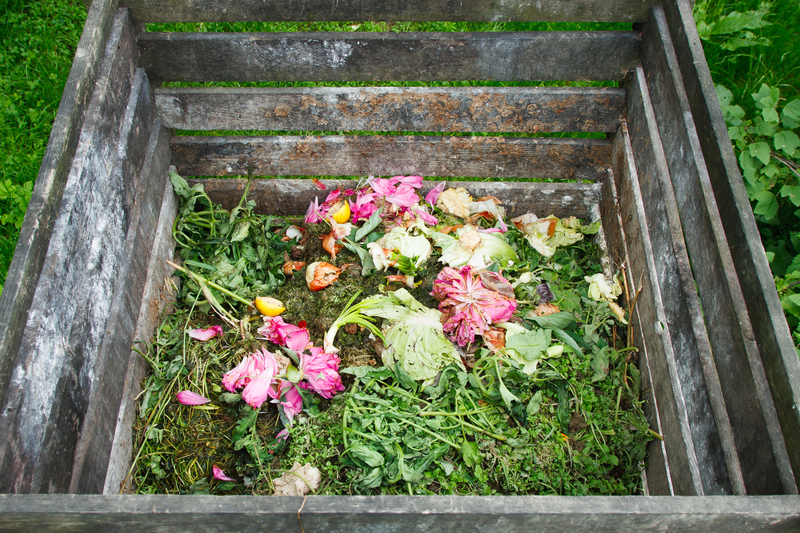
Organic bulky waste, such as tree branches or large garden debris, is often compostable. Municipal composting programs or local farms may accept this material for free or at a minimal cost. You can also rent a wood chipper for neighborhood use and share the cost.
Tips for Ongoing Bulky Item Waste Management
- Practice minimalism: Regularly assess what you own and donate or sell unneeded items, reducing future clutter and disposal needs.
- Buy quality, long-lasting items: Investing in durability minimizes frequent replacements and bulky waste.
- Encourage extended producer responsibility (EPR): Support brands that offer take-back or recycling programs for their products.
Conclusion: Manage Bulky Waste Efficiently Without Overspending
Dealing with large, unwieldy items doesn't have to be complicated or expensive. By reusing, reselling, participating in community removal events, or utilizing municipal pickup services, you'll discover a host of low-cost bulky waste management solutions. Always prioritize reuse, donation, and recycling before resorting to disposal, and take advantage of group efforts whenever possible to maximize savings.
With a little research and organization, anyone can handle bulky waste management on a budget--protecting the environment, supporting the community, and keeping your property clean and clutter-free. Remember, the most efficient solution is one that combines affordability, ease, and responsibility. Get started today on your path to a clutter-free and more sustainable lifestyle!
Frequently Asked Questions about Affordable Bulky Waste Management
- Can I leave bulky items on the curb for my regular garbage collection?
Most cities require a special collection or appointment for bulky items. Check with your local services to avoid fines or refused pickup. - What if I can't carry the items or have no transport?
Look for charities or removal services offering free pickup, or ask about community assistance programs. - Are there free bulky waste disposal options?
Yes, many municipalities hold periodic free bulky waste drop-off events, especially during spring or fall cleanups. - Is it possible to recycle all bulky waste items?
No, but a surprising amount can be recycled or upcycled. Always check first before sending items to the landfill.
For more advice specific to your location, contact your local council or visit their website for guidelines on cost-effective bulky waste disposal solutions.