Effective Construction Waste Disposal in Norbiton
Understanding Construction Waste in Norbiton
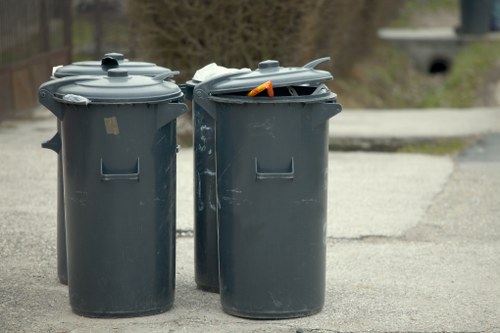
Construction waste refers to the debris generated from building sites, including materials like concrete, wood, metals, and plastics. In Norbiton, managing this waste efficiently is crucial for maintaining environmental standards and ensuring the area remains clean and safe.
The accumulation of construction waste can lead to various environmental issues, such as soil contamination and pollution. Therefore, adopting proper disposal methods is not just a regulatory requirement but also a community responsibility.
Norbiton, a thriving suburb, sees numerous construction projects annually, making effective waste management systems even more essential.
Legal Regulations for Waste Disposal
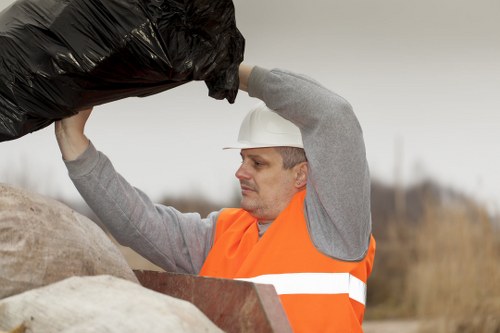
The disposal of construction waste in Norbiton is governed by local and national regulations. These laws ensure that waste is handled, transported, and disposed of in a manner that minimizes environmental impact.
Compliance with these regulations is mandatory for all construction companies operating in Norbiton. Failure to adhere can result in hefty fines and legal consequences.
Understanding these legal frameworks helps businesses navigate the complexities of waste management and maintain their operations smoothly.
Types of Construction Waste
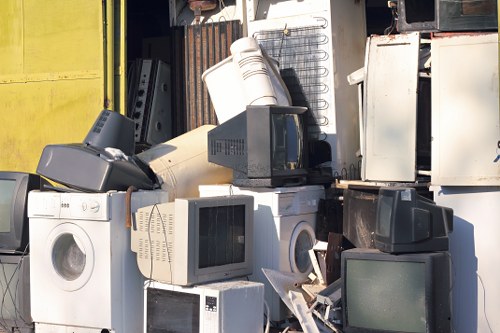
Construction waste can be categorized into several types, each requiring specific disposal methods. The primary categories include:
- Concrete and Masonry: Often recycled and reused in various construction applications.
- Wood: Can be repurposed or treated for reuse in other projects.
- Metals: Highly recyclable, reducing the need for new metal extraction.
- Plastics: Require specialized recycling processes to manage effectively.
- Hazardous Materials: Such as asbestos and certain chemicals, necessitating careful handling and disposal.
Best Practices for Waste Disposal
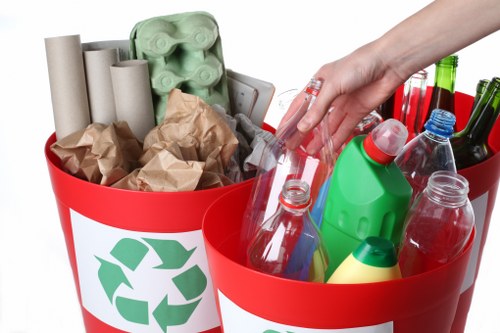
Implementing best practices for construction waste disposal not only ensures compliance with regulations but also promotes sustainability. Key practices include:
- Waste Segregation: Separating different types of waste at the source to facilitate recycling and reduce overall disposal costs.
- Recycling: Partnering with recycling facilities in Norbiton to process and reuse materials effectively.
- Minimizing Waste: Planning projects meticulously to reduce the generation of unnecessary waste.
- Proper Documentation: Keeping detailed records of waste disposal practices to ensure transparency and accountability.
- Training Staff: Educating construction workers on effective waste management techniques.
Sustainable Solutions for Waste Management
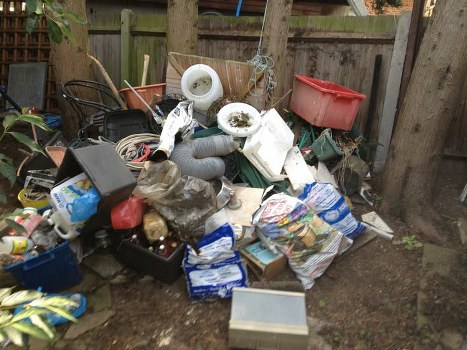
Adopting sustainable solutions in waste management is essential for long-term environmental health. In Norbiton, several sustainable practices can be implemented:
- Recycling Programs: Establishing comprehensive recycling initiatives to process various materials.
- Material Reuse: Finding innovative ways to repurpose construction materials in new projects.
- Energy Recovery: Converting waste materials into energy, thereby reducing reliance on non-renewable sources.
- Green Building Practices: Incorporating eco-friendly materials and methods to minimize waste generation.
Choosing the Right Waste Disposal Service
Selecting a reliable construction waste disposal service in Norbiton is critical for effective waste management. When choosing a service provider, consider the following factors:
- Reputation: Look for companies with positive reviews and a track record of reliable service.
- Service Range: Ensure the provider offers comprehensive waste management solutions tailored to your project needs.
- Compliance: Verify that the service provider adheres to all local and national regulations.
- Cost-Effectiveness: Compare pricing structures to find services that offer value without compromising quality.
- Environmental Commitment: Choose providers that prioritize sustainable practices and eco-friendly disposal methods.
Benefits of Proper Waste Disposal
Effective construction waste disposal offers numerous benefits, including:
- Environmental Protection: Reduces pollution and conserves natural resources through recycling and reuse.
- Cost Savings: Minimizes disposal costs by reducing waste volume and maximizing material recovery.
- Regulatory Compliance: Ensures adherence to laws, avoiding fines and legal issues.
- Enhanced Reputation: Demonstrates a commitment to sustainability, improving public perception and client trust.
- Operational Efficiency: Streamlines waste management processes, allowing projects to proceed smoothly and on schedule.
Challenges in Construction Waste Disposal
While managing construction waste is essential, it comes with its set of challenges:
- High Volume of Waste: Large projects generate significant amounts of debris, making disposal complex.
- Variety of Materials: Diverse waste types require different handling and disposal methods.
- Regulatory Changes: Keeping up with evolving laws and regulations can be difficult.
- Cost Constraints: Budget limitations may restrict access to optimal waste management solutions.
- Lack of Awareness: Not all stakeholders may be informed about best practices in waste disposal.
Innovative Technologies in Waste Management
Advancements in technology are revolutionizing construction waste disposal in Norbiton:
- Automated Sorting Systems: Enhance the efficiency of segregating different waste materials.
- Recycling Machines: Facilitate the processing of various materials on-site, reducing the need for transportation.
- Waste Tracking Software: Provides real-time monitoring of waste generation and disposal, ensuring compliance and efficiency.
- 3D Printing: Uses recycled materials to create new construction components, promoting a circular economy.
The Role of Community in Waste Management
Community involvement is crucial in effective construction waste disposal:
- Public Awareness Campaigns: Educate residents about the importance of proper waste management.
- Recycling Programs: Encourage community participation in recycling initiatives.
- Collaborative Efforts: Foster partnerships between construction companies and local organizations to enhance waste management practices.
- Feedback Mechanisms: Allow the community to provide input on waste management strategies, ensuring they meet local needs.
Case Studies: Successful Waste Disposal in Norbiton
Several projects in Norbiton have set benchmarks for effective construction waste management:
- GreenBuild Complex: Implemented comprehensive recycling and waste reduction strategies, significantly lowering their environmental footprint.
- Norbiton High-Rise: Utilized innovative technologies to minimize waste generation and enhance material recovery.
- EcoHomes Project: Focused on sustainable building practices, ensuring all construction waste was recycled or repurposed.
Future Trends in Waste Disposal
The future of construction waste disposal in Norbiton looks promising with emerging trends:
- Circular Economy: Emphasizing the reuse and recycling of materials to create a closed-loop system.
- Smart Waste Management: Leveraging IoT and AI technologies to optimize waste disposal processes.
- Advanced Recycling Techniques: Developing new methods to recycle previously non-recyclable materials.
- Green Certifications: Increasing demand for sustainable building certifications that require responsible waste management.
How to Get Started with Waste Disposal
Implementing effective construction waste disposal in your project involves several steps:
- Assess Waste Generation: Identify the types and quantities of waste your project will produce.
- Develop a Waste Management Plan: Outline strategies for segregation, recycling, and disposal.
- Choose a Waste Disposal Partner: Select a reliable service provider that meets your project’s needs.
- Train Your Team: Ensure all team members are informed about waste management practices.
- Monitor and Adjust: Continuously track waste disposal processes and make necessary adjustments for improvement.
Conclusion
Effective construction waste disposal in Norbiton is essential for sustainability, regulatory compliance, and community well-being. By understanding the types of waste, adhering to legal regulations, and implementing best practices, construction projects can significantly reduce their environmental impact. Embracing innovative technologies and fostering community involvement further enhances waste management efforts, paving the way for a greener and cleaner Norbiton.
Don’t let construction waste become a burden. Contact us today to ensure your next project adheres to the highest standards of waste disposal and sustainability.